
Maharani Designer Sarvjeet
Why Costume Designers Are the Unsung Heroes of Indian Cinema: A Look at Maharani Designer Sarvjeet's Creative Journey
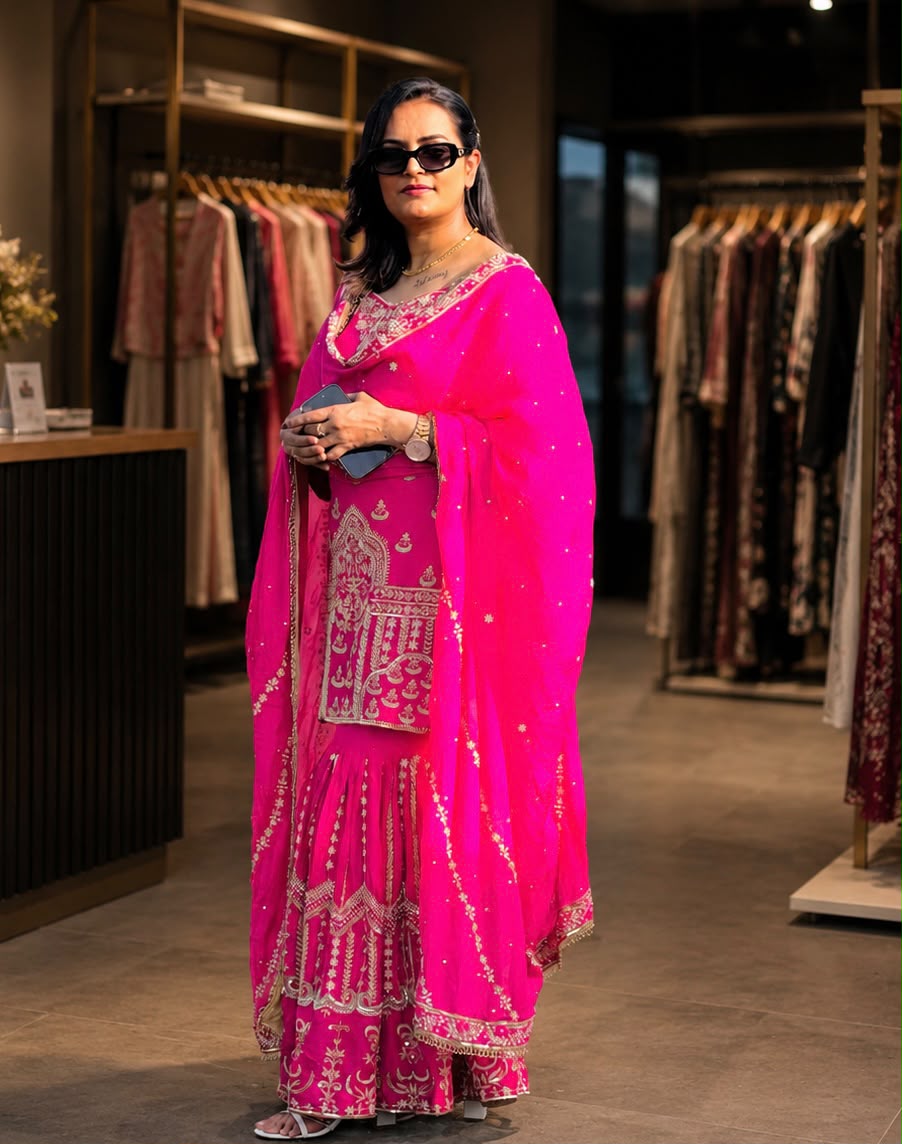
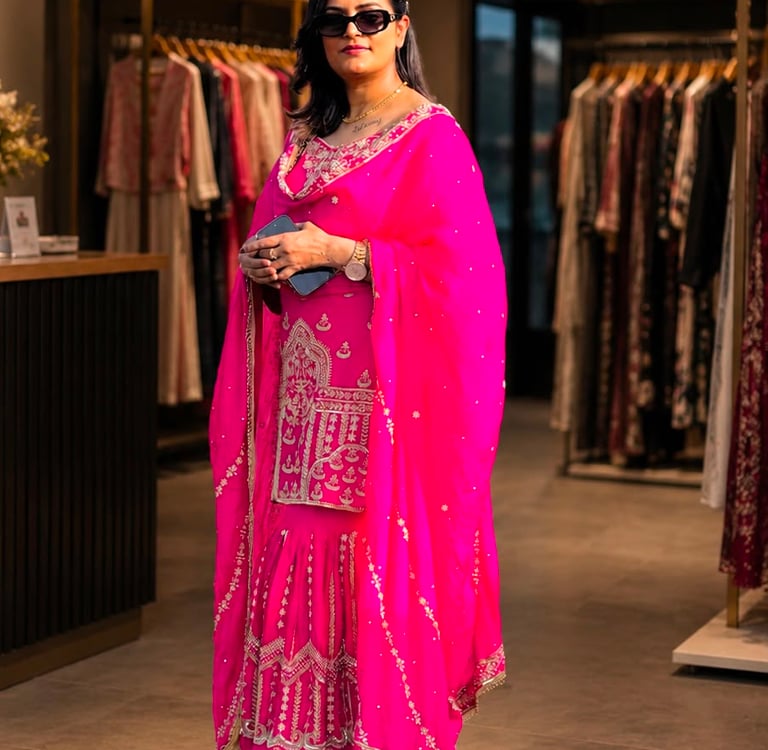
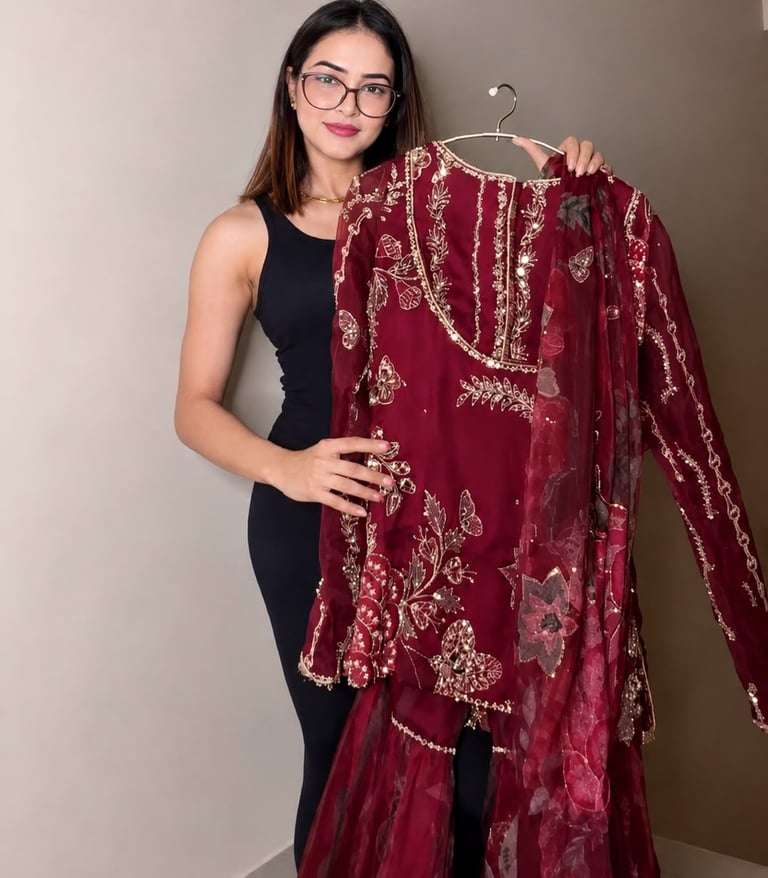
When a film becomes successful, conversations usually revolve around the lead actors, memorable dialogues, chart-topping songs, or the director's vision. Very rarely does the audience discuss the department responsible for giving every character a believable visual identity. Costume design is one of the least visible professions behind the camera, yet it has the power to influence every frame that appears on screen.
A character's appearance often creates the first impression long before any dialogue is spoken. Whether the audience is watching a village-based drama, a modern romantic film, an action thriller, or a high-energy music video, clothing instantly communicates personality, confidence, profession, culture, and emotion. That is why costume designers have become an essential part of filmmaking rather than simply being associated with fashion.
Professionals working in this field understand that wardrobe is never chosen randomly. Every outfit is connected to the screenplay. The colors, textures, accessories, footwear, and styling choices all contribute to the emotional atmosphere of a production. One designer who has steadily built experience in this creative profession is Maharani Designer Sarvjeet, whose portfolio reflects work across Punjabi and Hindi entertainment.
Unlike many creative careers that remain confined to a single format, costume design demands flexibility. A feature film, a commercial advertisement, and a music video all require completely different creative approaches. A costume designer must understand the visual expectations of each project while ensuring that the wardrobe enhances the story instead of distracting from it.
Throughout her professional journey, Maharani Designer Sarvjeet has been associated with productions that represent different genres and production styles. Her film portfolio includes Rocky Mental (2017), Pareshaan Parinda (2018), Teri Meri Jodi (2019), Panchhi (2021), Cuttputlli (2022), Gandhi 3 (2024), and Auron Mein Kahan Dum Tha (2024). Each production introduced its own creative environment, requiring wardrobe decisions that reflected the personalities of the characters and the overall tone of the story.
The role of a costume designer begins long before cameras start rolling. Scripts are carefully studied to understand character development, social background, age, lifestyle, occupation, and emotional progression. Designers often prepare mood boards, coordinate fittings, source fabrics, organize accessories, and maintain detailed continuity records so that costumes remain consistent even when scenes are filmed weeks apart.
This planning becomes increasingly important on large productions where multiple locations, changing weather conditions, and demanding shooting schedules create additional challenges. Audiences may only notice the finished costume for a few seconds, but creating that final look often requires hours of preparation and coordination behind the scenes.
Another significant aspect of today's entertainment industry is the growing influence of music videos. Unlike feature films that gradually build characters, music videos must capture attention immediately. Visual styling therefore becomes one of the strongest storytelling tools available.
Recognizing this shift, Maharani Designer Sarvjeet has also contributed to several music video productions including Balma (2024) featuring King B Chouhan, Gurlez Akhtar, and Sana Sultan Khan, Gabru (2024), Updated King (2025), Dama Dum Mast Kalandar (2026), Duma Dum Mast Kalandar (Title Track) by Master Saleem, Teri Deed by Kamal Khan, Napde Killi by Sufraaz, and Jatt Di Queen.
Each of these projects presents a unique creative direction. Some require contemporary urban styling, while others combine traditional influences with modern fashion. Costume designers constantly adapt their approach to ensure every production achieves its intended visual identity without repeating previous concepts.
One of the biggest misconceptions about costume design is that it focuses only on expensive clothing or glamorous fashion. In reality, successful costume design is often invisible. When viewers completely believe a character's appearance without questioning it, the costume department has done its job well. Authenticity is frequently more important than extravagance.
Modern filmmaking also demands close collaboration between departments. Costume designers regularly work alongside directors, cinematographers, makeup artists, hairstylists, production designers, assistant directors, and actors. Every creative decision influences lighting, camera composition, movement, and overall screen presentation. This collaborative environment makes communication just as valuable as artistic talent.
As digital platforms continue expanding the entertainment industry, visual expectations continue rising. Streaming services, theatrical releases, promotional campaigns, and social media have increased the importance of strong visual branding. Costume designers now contribute not only to storytelling but also to marketing imagery, promotional photography, music launches, and audience engagement.
The entertainment landscape has changed dramatically over the past decade, creating new opportunities for professionals working behind the camera. Costume designers are now expected to understand changing fashion trends, audience preferences, production technology, and visual branding while maintaining practical solutions for demanding filming schedules.
The professional portfolio of Maharani Designer Sarvjeet reflects this modern creative environment. Rather than being limited to a single production style, her experience across feature films and music videos demonstrates the versatility required within today's entertainment industry. Every completed project represents another opportunity to translate written characters into believable visual personalities.
Although audiences may not always recognize the extensive planning behind every costume, wardrobe remains one of the defining elements of cinematic storytelling. Great costume design rarely seeks attention for itself; instead, it quietly supports the story, strengthens performances, and enhances the emotional connection between viewers and characters.
As Punjabi and Hindi entertainment continue reaching wider audiences through cinemas and digital platforms, costume design will remain one of the creative foundations of successful productions. Professionals such as Maharani Designer Sarvjeet continue contributing to that process through thoughtful styling, careful preparation, and an understanding that every memorable character begins with a convincing visual identity. Whether working on feature films or contemporary music videos, her portfolio reflects a commitment to creating wardrobe that supports storytelling while adapting to the evolving language of modern entertainment.